
How Must Hit By Amount Slots Actually Work Down Under
If you have spent any time around the pokies floor, you have probably watched a meter climb and wondered when the prize pool will drop. The whole idea behind slots with must hit by amount is deceptively simple: a visible counter ticks upward until a trigger point is reached, and the game promises a payout before that ceiling is passed. That sounds tidy on paper, but the real experience depends on how the maths is dressed up, how fast the counter moves, and whether the interface actually helps you read what is happening. I have spent years building non-download machines and mechanics like Megaways and Megaclusters, and the lesson I keep coming back to is that a clever hook only works when the player can see the rules without squinting. Here is a plain-English look at how these games behave, where the trade-offs sit, and what to check before you put a spin on them.
Reading the meter and the real pace of play
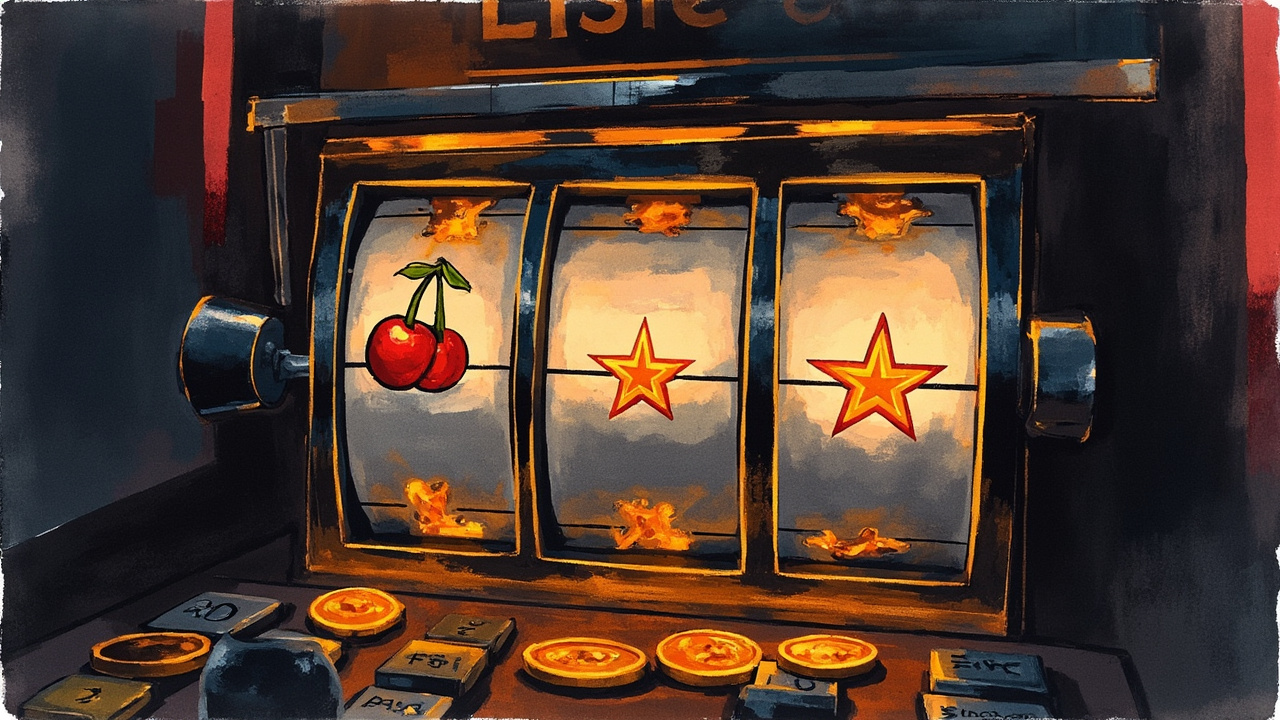
The first thing worth sorting is what the counter is actually telling you. In most slots with must hit by amount, the displayed figure is a progressive pool that grows with every bet across the machine or network, and the trigger is tied to that pool rather than to any single spin outcome. That means the speed of the climb can feel uneven: a busy session with lots of small bets can push the number up quickly, while a quieter stretch can leave it sitting still for a long arvo. From a design point of view, I have always preferred mechanics that give the player a honest read on momentum, because hidden acceleration is where trust goes missing. When I look at a new game, I ask whether the meter updates in a way that matches the bet rhythm, or whether it is smoothed out to look more dramatic than it really is. A well-built interface will show the current pool, the last trigger point, and a sensible estimate of how the counter is moving, without dressing it up as a guarantee. If the screen is cluttered or the numbers are buried behind animations, you are working harder than you should just to understand the game.
Localisation matters here too. A site built for Australian players should show the pool in dollars, use familiar currency formatting, and keep the language plain rather than leaning on imported jargon. Navigation should let you jump between the game, the paytable, and any help section without losing your place, and search should actually find the title you want instead of dumping you into a generic list. When the whole experience is tuned for local habits, the mechanics feel less like a puzzle and more like a game you can read at a glance. That is the difference between a gimmick and a feature you can actually use.
What to weigh before you spin
No mechanic is worth much if the surrounding setup is clunky, so the practical checks come next. Start with the registration flow: a decent local-facing site will ask for the details it genuinely needs, let you confirm your details without dragging you through a maze, and keep the whole process readable on a phone. Payments and currency should be straightforward, with clear symbols and limits that make sense for the amounts people actually play with. If you are looking at a brand like elvis frog trueways for bonus rounds, you want the bonus terms to be easy to find and written in a way that tells you what triggers the feature, what the wagering actually means, and how the meter behaves during a bonus cycle. I have seen too many games where the exciting part is front and centre and the conditions are hiding in a footnote, which is a poor trade-off no matter how polished the graphics are.
Support and loyalty are part of the same usability picture. A help section that answers common questions quickly, a clear route to contact someone when something looks off, and a loyalty structure that rewards regular play without making the rules feel like a riddle all point to a product that has been thought through. Zoe Lewis, Independent iGaming Expert, Ironbark Compliance Advisory, puts it plainly: a must-hit mechanic is only as fair as the transparency around it, and players should be able to see the trigger logic and the limits without digging through layers of marketing copy. That is a useful caveat, because the flashiest counter in the room is not much help if you cannot tell what it is actually doing. The strength of these slots is the tension and the visible progress; the limit is that the tension only works when the information is honest and easy to read.
A beginner’s guide to reading the counter
If you are new to this, here is a simple way to get your head around it without overcomplicating things.
- Find the meter first. Before you worry about themes or bonus features, locate the counter that shows the current pool and the point where it is set to trigger. If you cannot find it quickly, the layout is not doing you any favours.
- Watch how it moves. Spin a few times and note whether the number climbs steadily, in jumps, or only when certain bet sizes are in play. The pattern tells you more than the raw number alone.
- Check the trigger rules. Look for the part of the paytable or help section that explains what happens when the pool is hit, whether it can be hit more than once, and what happens after a trigger. elvis frog trueways for bonus rounds
- Read the bonus terms. If a bonus round is tied to the meter or to a separate condition, find the wagering, the caps, and the way the feature is activated so you know what you are actually signing up for.
- Keep the bet size in perspective. A larger bet can move the counter faster, but it also changes the pace of your own session, so match the stake to the kind of play you want rather than chasing the number.
- Stop when the screen stops making sense. If the meter, the terms, or the help section feel muddy, close the tab and come back later or pick a game with a cleaner layout.
That is the whole job, really. You are not trying to outthink the maths; you are trying to read the game clearly enough to decide whether the experience suits you.
When the mechanic fits and when it does not
The best use of slots with must hit by amount is when you want a visible goal and a pace that feels measurable. A climbing pool gives you something to watch, and a well-tuned trigger can make a session feel purposeful without pretending to be anything more than a game of chance. The trade-off is that the same visibility can tempt you to read patterns where there are none, especially if the counter is dressed up with loud animations or misleading labels. From my time building mechanics that rely on momentum, I can tell you that the satisfying version is the one that keeps the rules legible and the pace consistent with the bet structure. The frustrating version is the one that looks exciting until you realise the information is scattered or the terms are written to obscure what the meter actually does.
Local details matter more than people expect. A site that feels built for Darwin players, for example, will usually get the small things right: currency shown in a familiar format, support hours that make sense for the time zone, and a layout that works on the phone while you are killing time between errands. Those touches do not change the maths, but they change whether the game feels readable or remote. If the interface is sharp, the localisation is honest, and the must-hit logic is explained without the fluff, the mechanic has a real chance to feel like a feature rather than a marketing hook. If any of those pieces are missing, the whole thing starts to feel like you are guessing at the rules.

A good must-hit slot earns its place by being easy to read and honest about its limits. When the meter is clear, the terms are easy to find, and the interface respects the way people actually play, the mechanic can add real tension without pretending to be more than it is. When the screen is noisy, the conditions are buried, or the localisation feels bolted on, the same feature turns into a guessing game. Pick the version that lets you see the rules at a glance, keep your stake in line with the pace you want, and treat the climbing pool as a bit of fun with a clear ceiling rather than a promise of anything certain.
Blog Post Title will display here showing multiple lines
Category

Blog Post Title will display here showing multiple lines
Category

Blog Post Title will display here showing multiple lines
Category

More posts to read
You’ve been craving something more.. something that makes you feel seen, desired, alive. Not just the routine, not just the daily grind—but you. The you that knows she’s got fire in her soul, that aches to feel wanted, worshipped, breathtaking. Boudoir isn’t just a photoshoot.. it’s that delicious, intoxicating reminder that you are all that and MORE. Every curve, every smirk, every stolen glance in the mirror afterward—it’s yours to own. The only thing left? Taking the damn leap. And trust me.. it’s so worth it.
You are a work of art.

